


Fitbit App
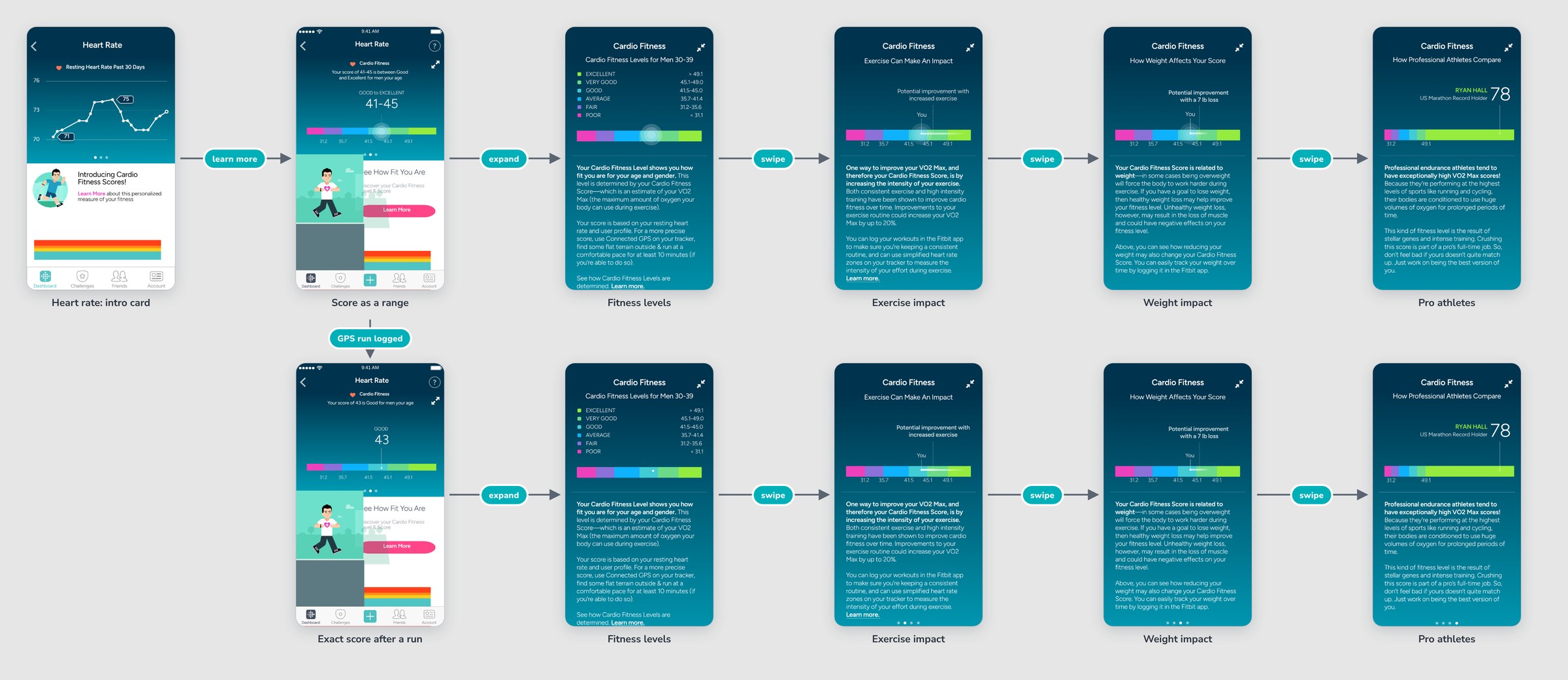
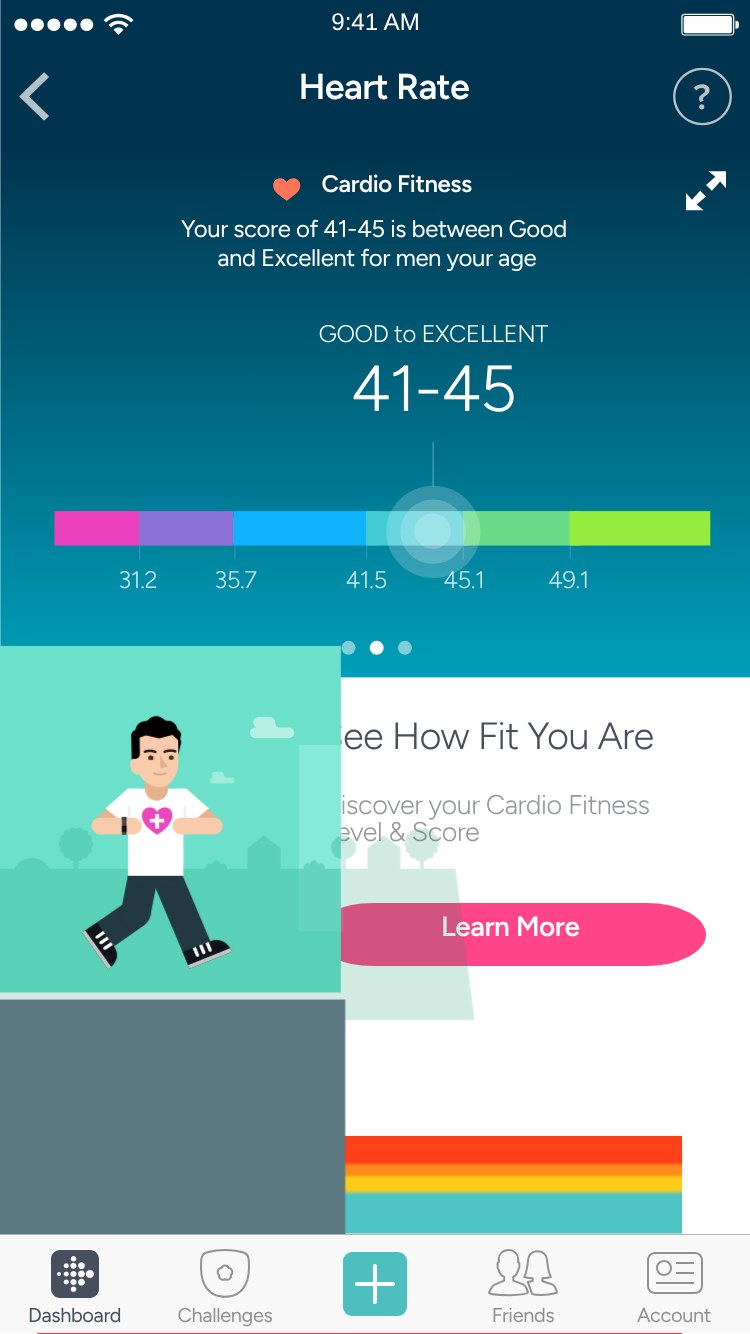
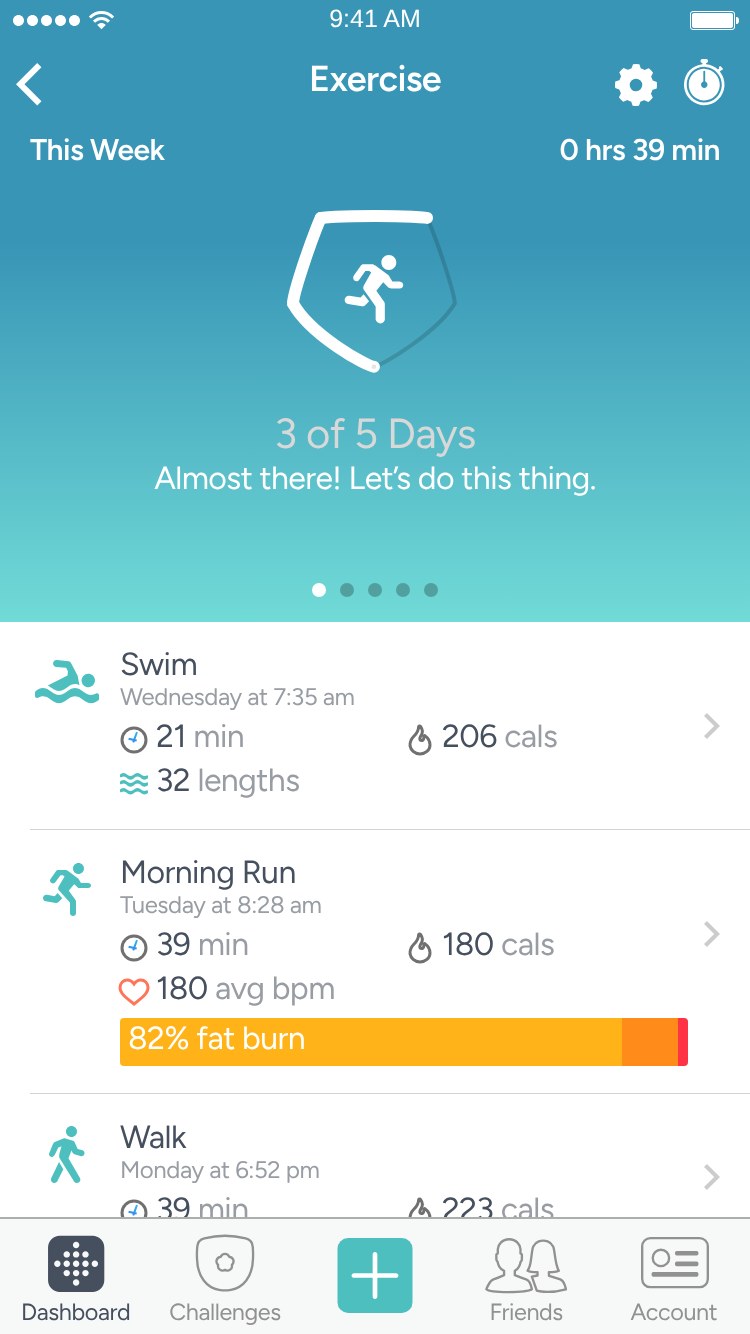
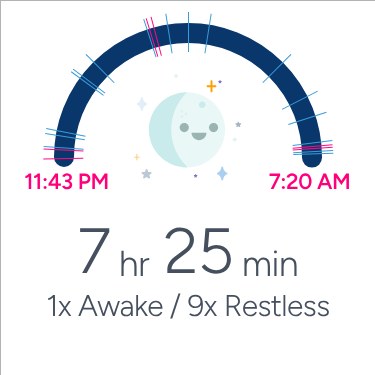
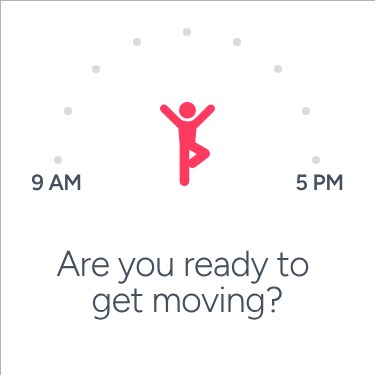
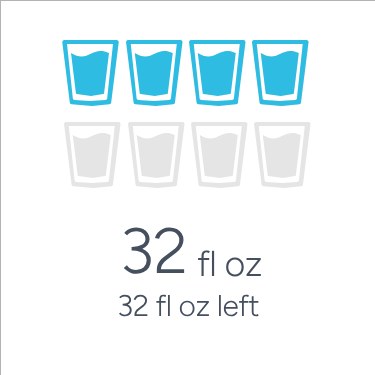
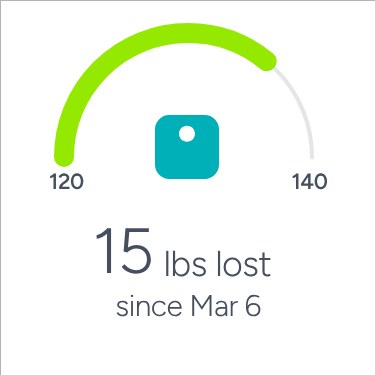
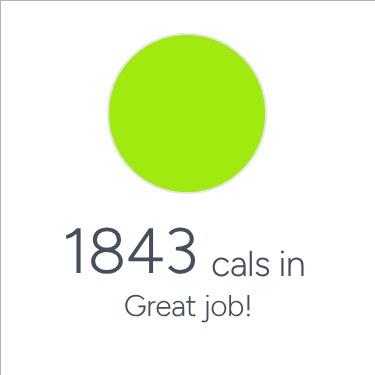
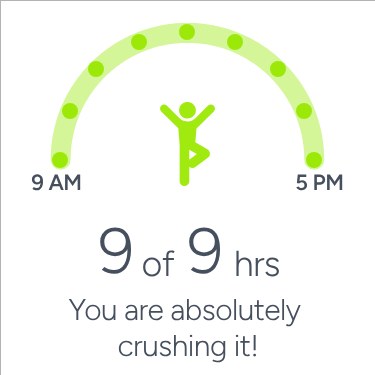
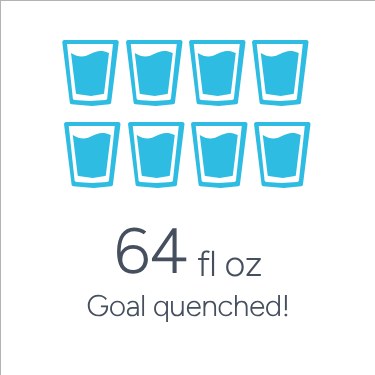
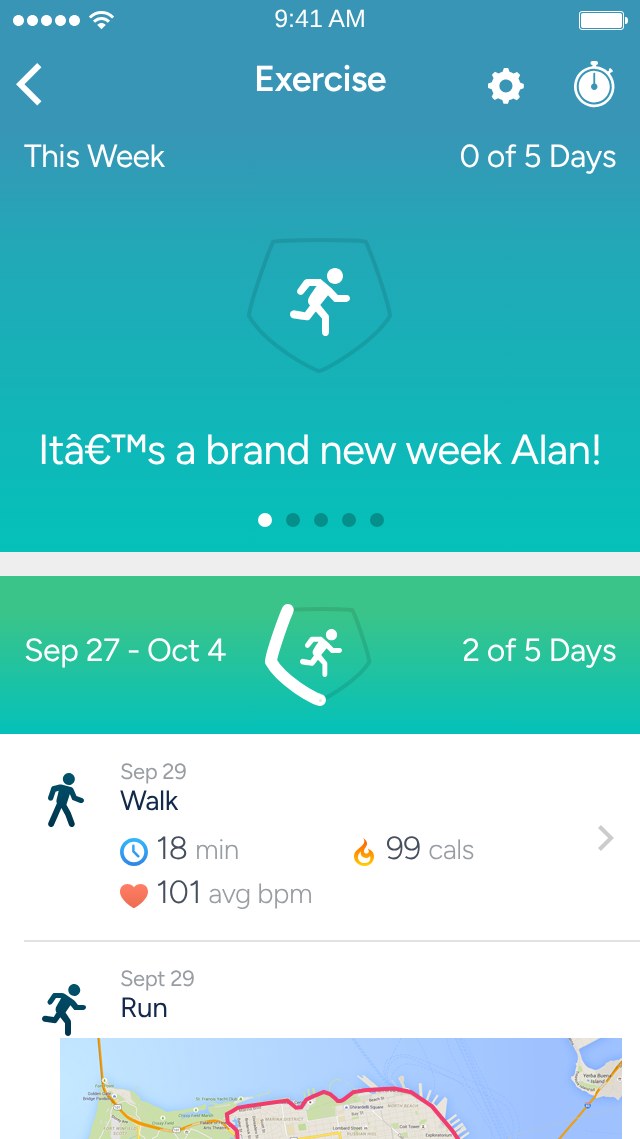
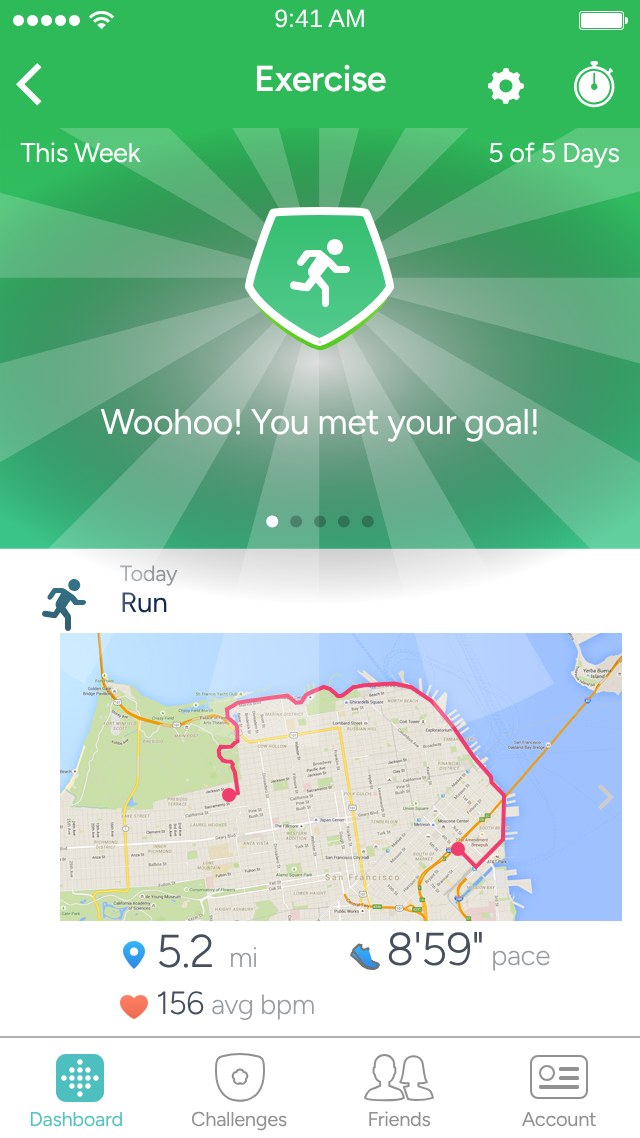
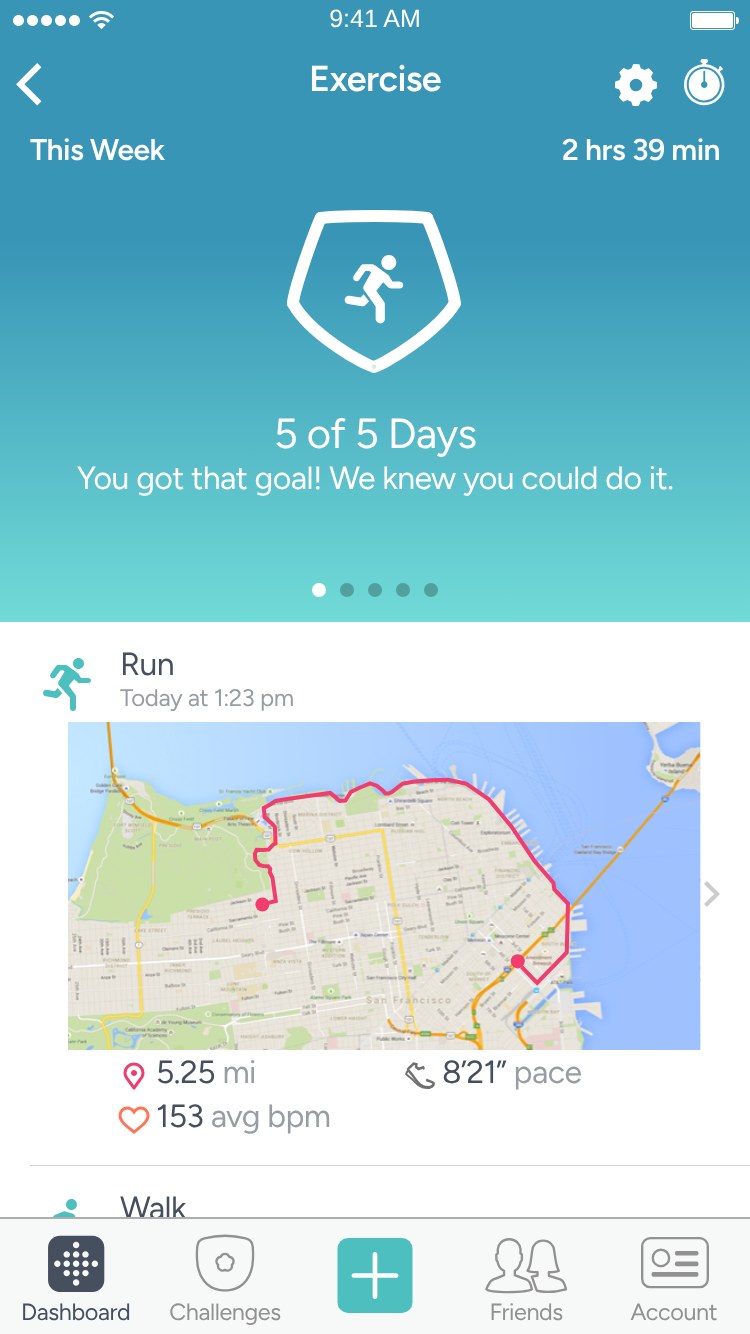
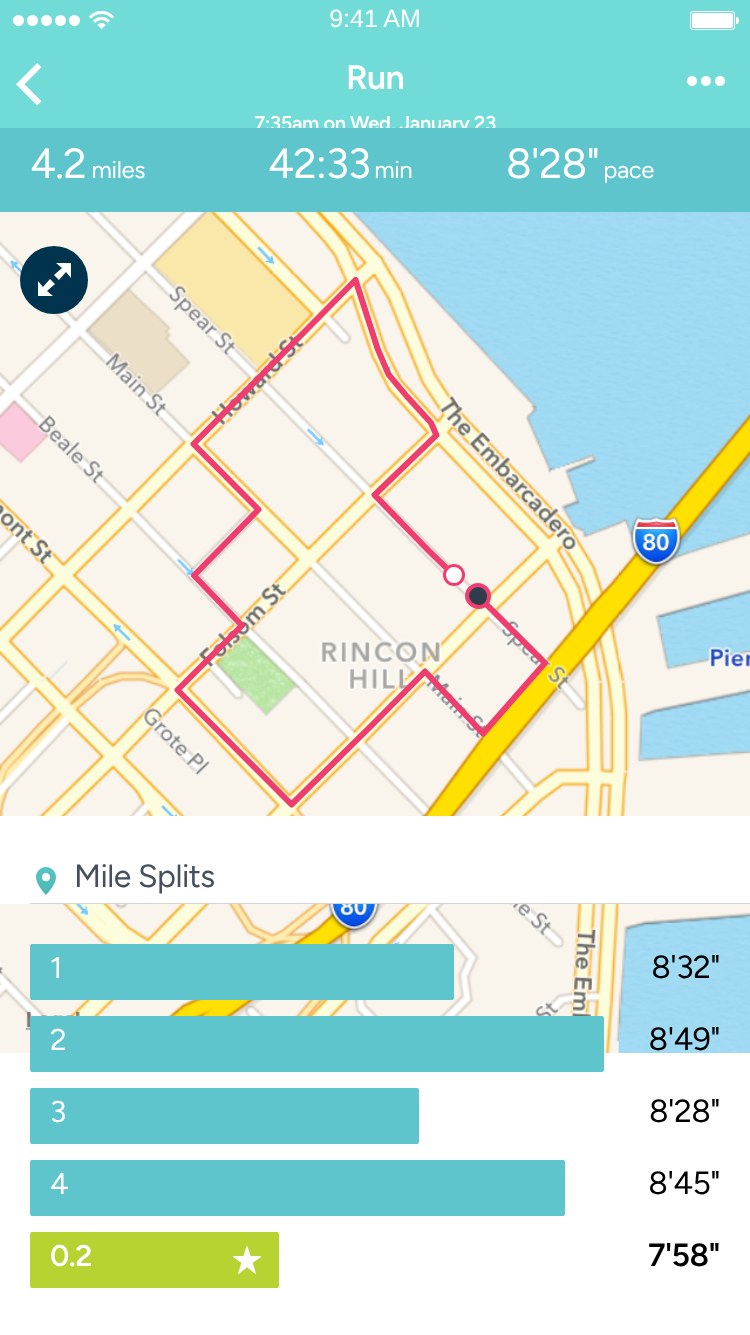
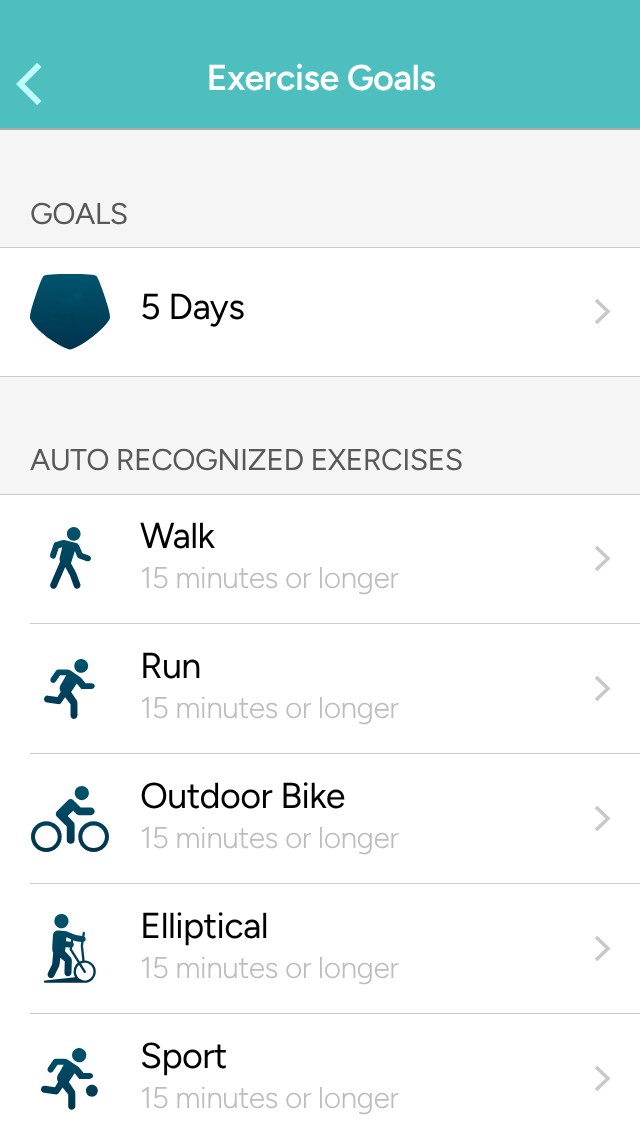
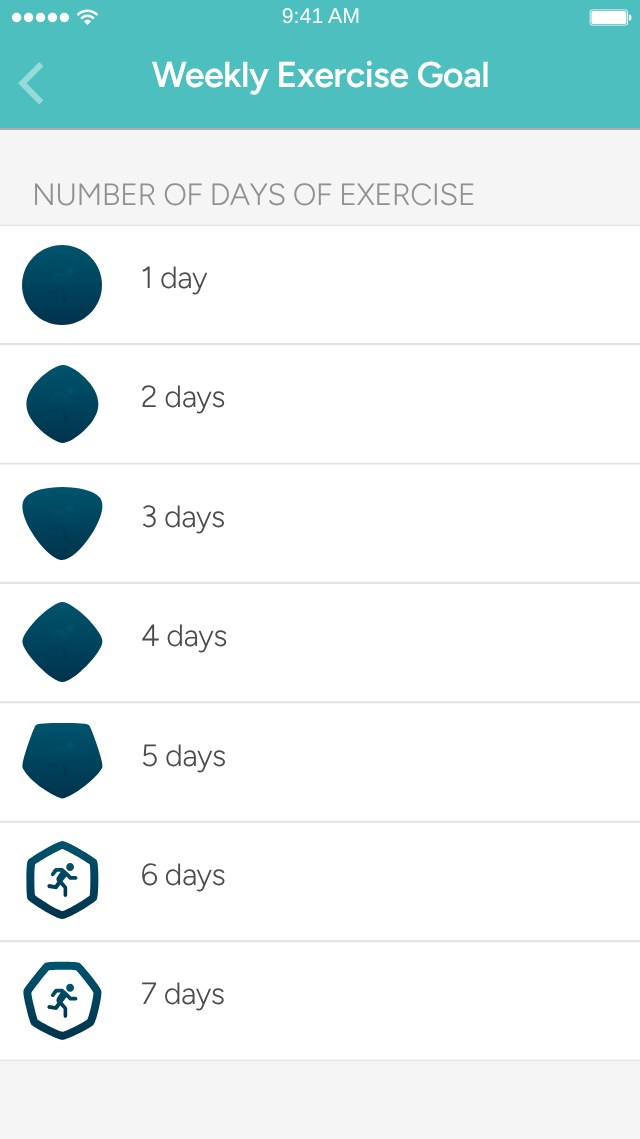
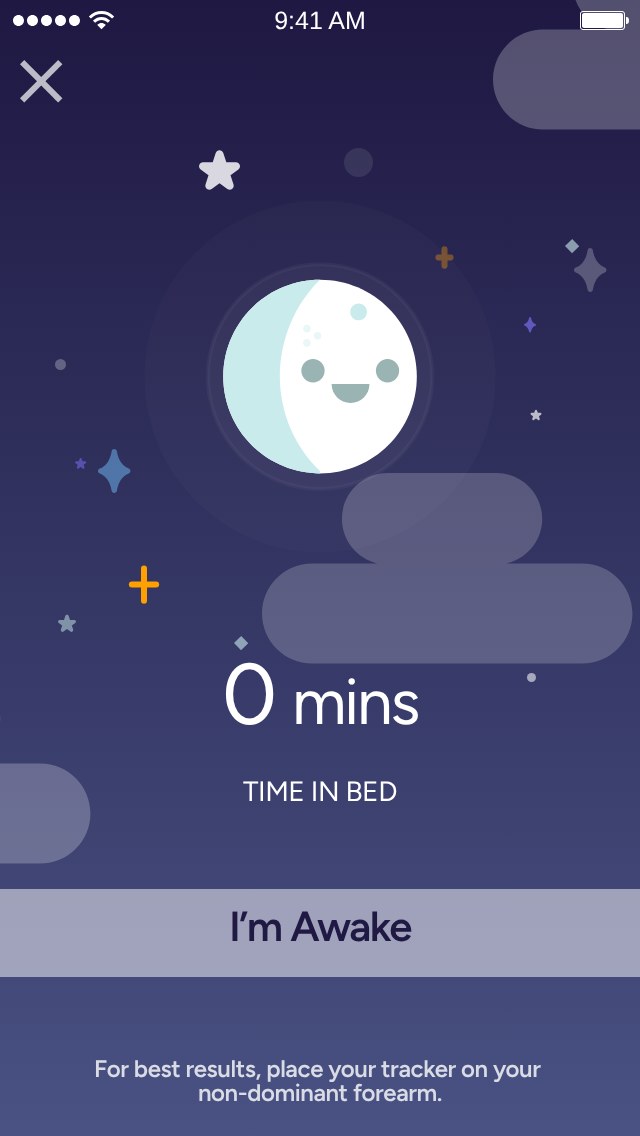
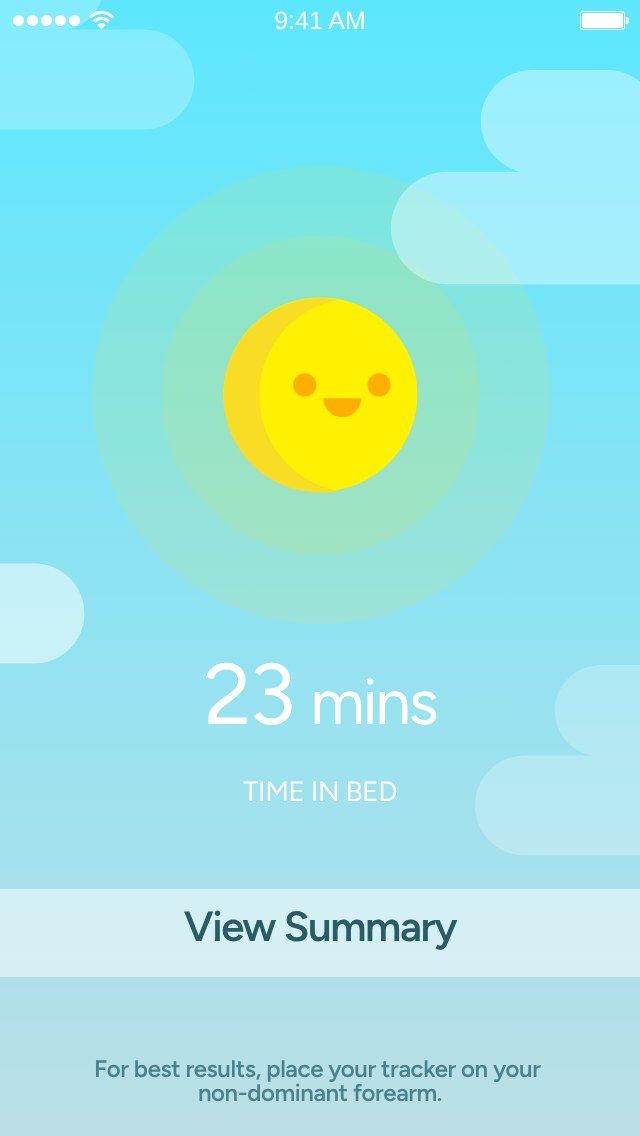
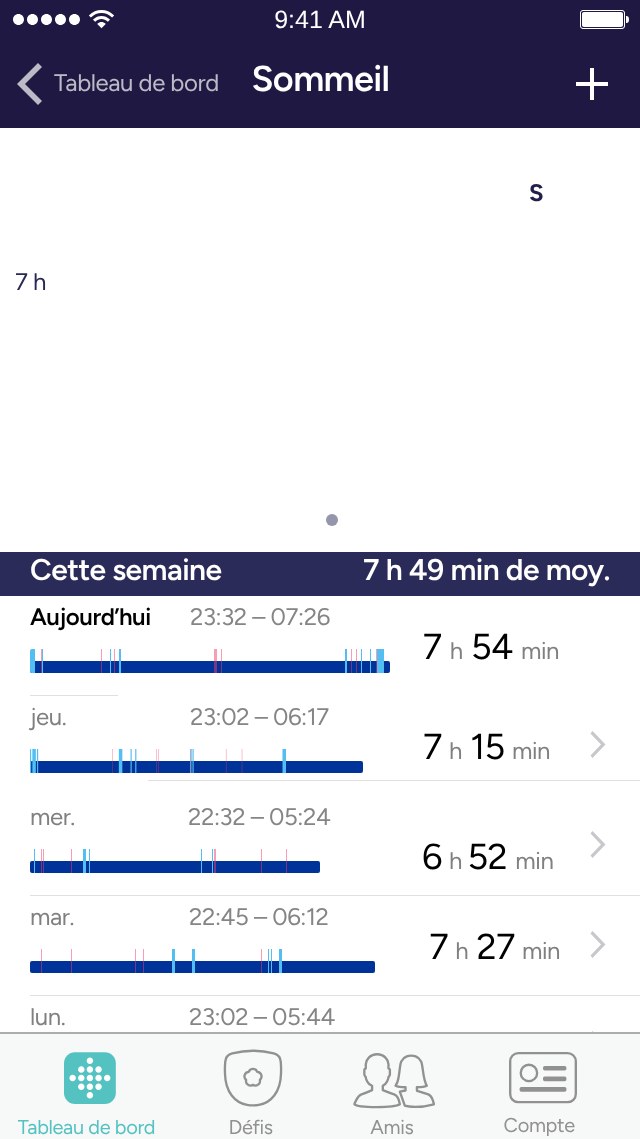
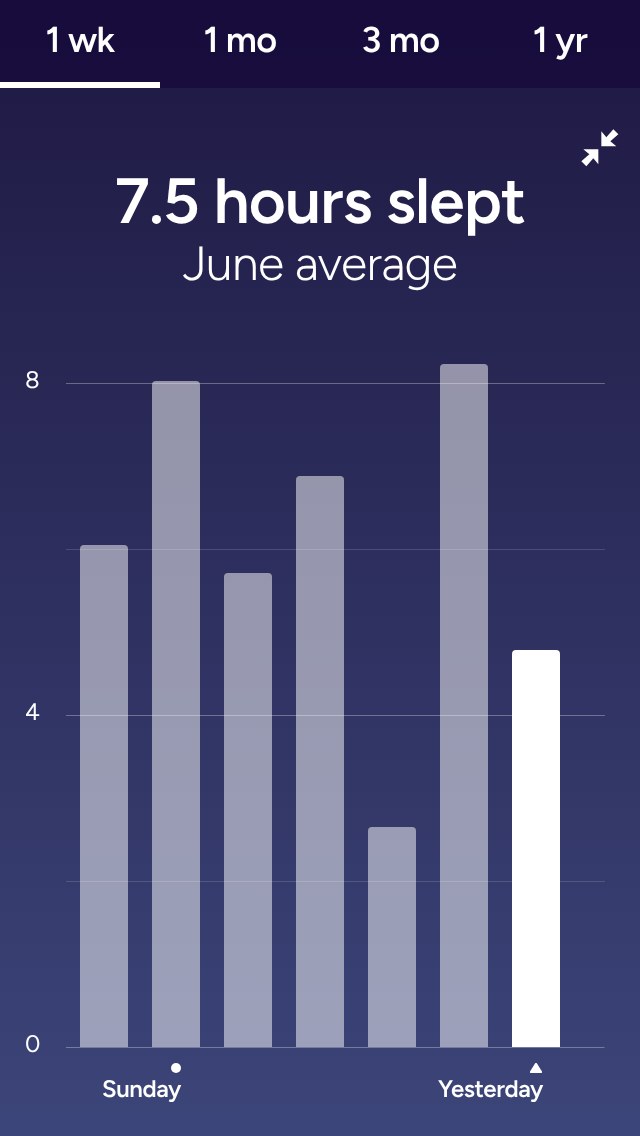
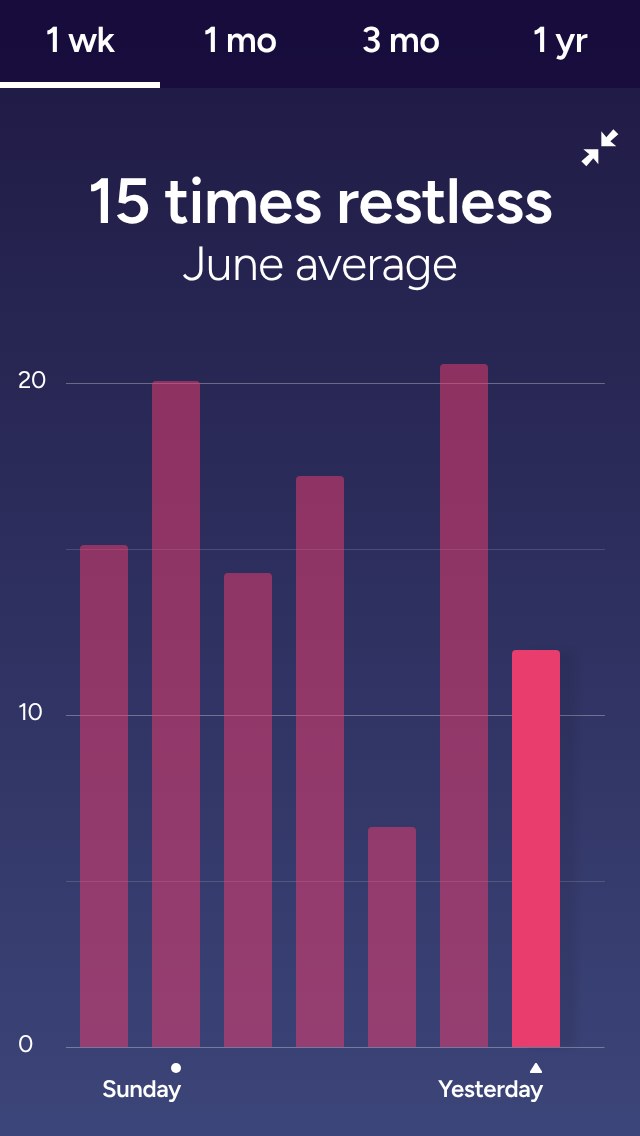
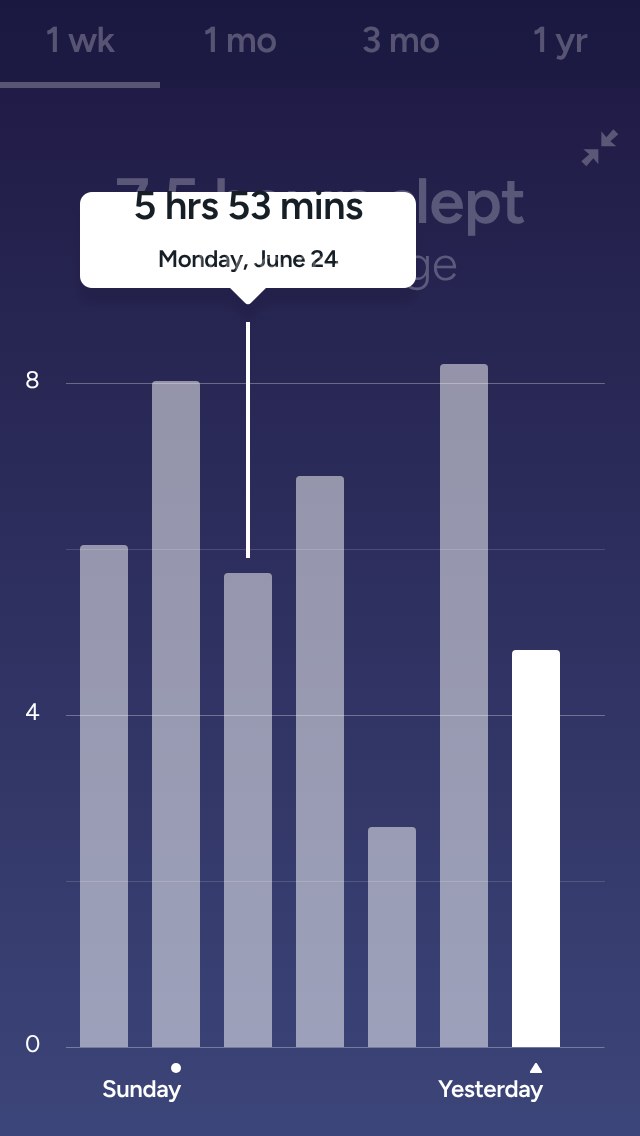
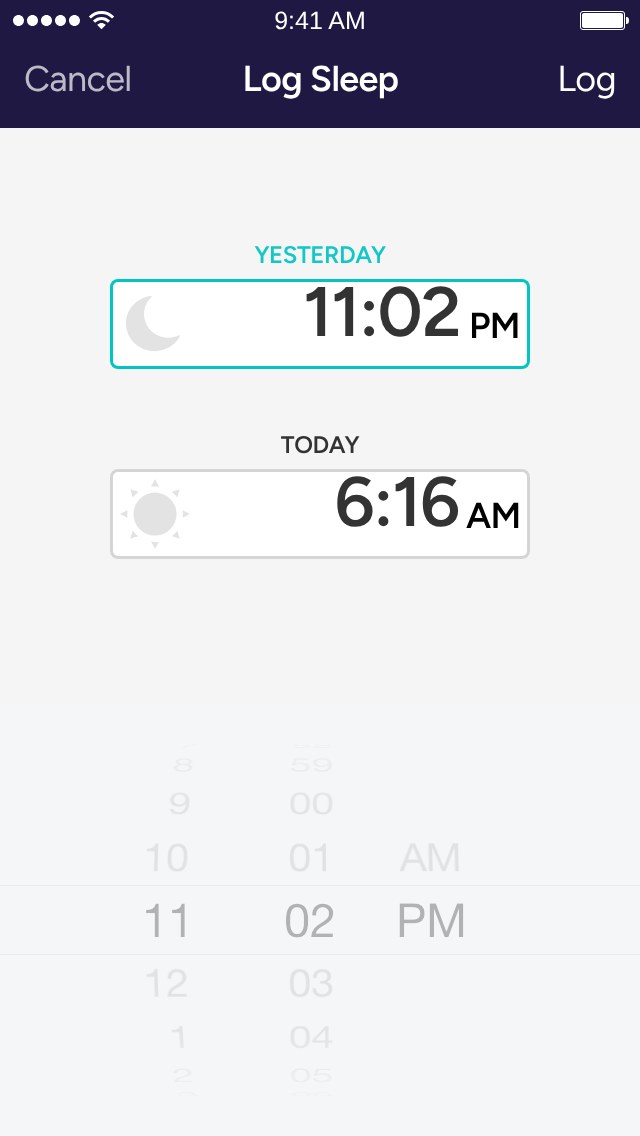
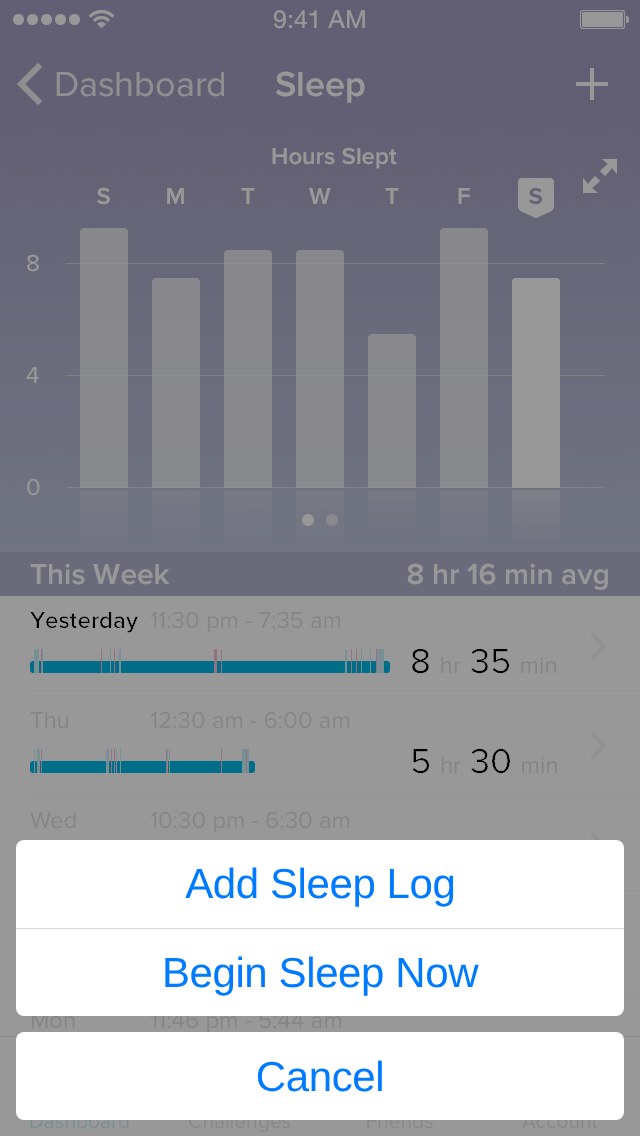
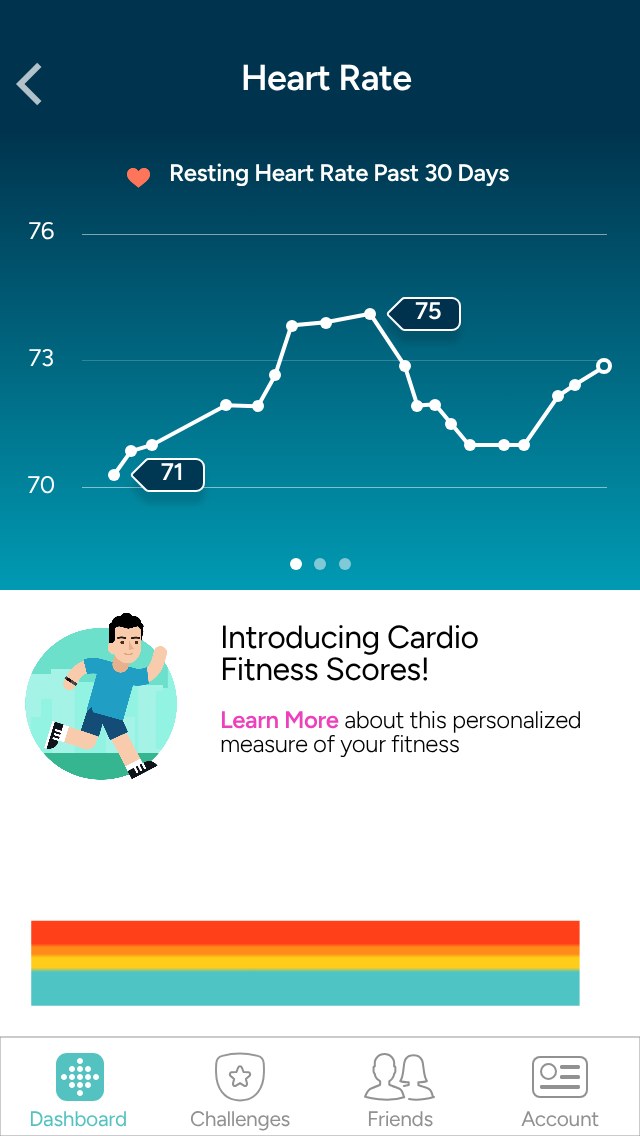
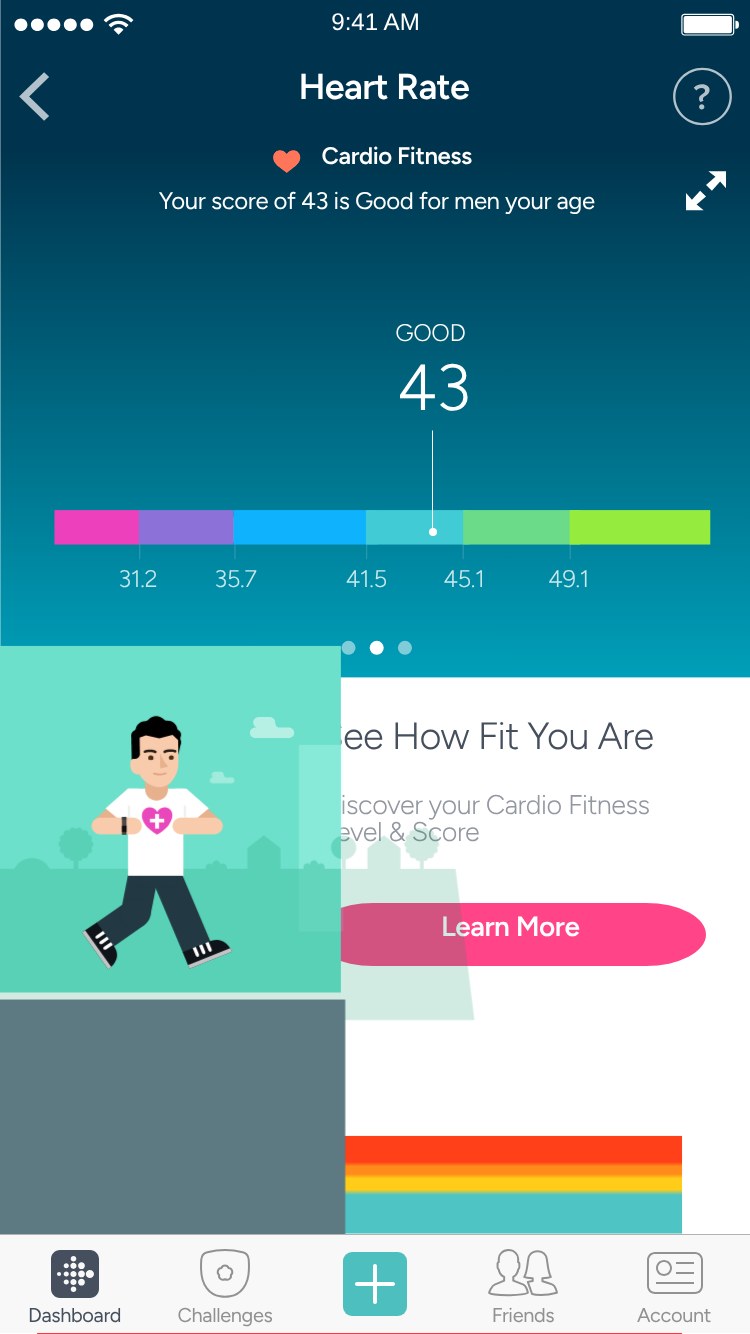
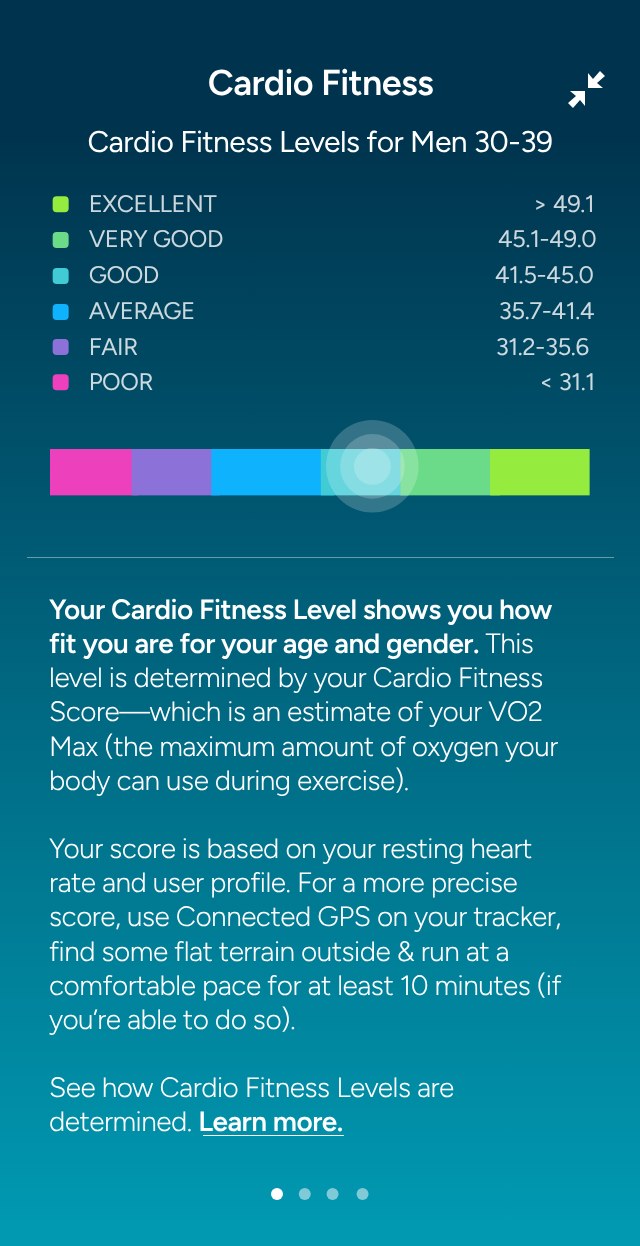
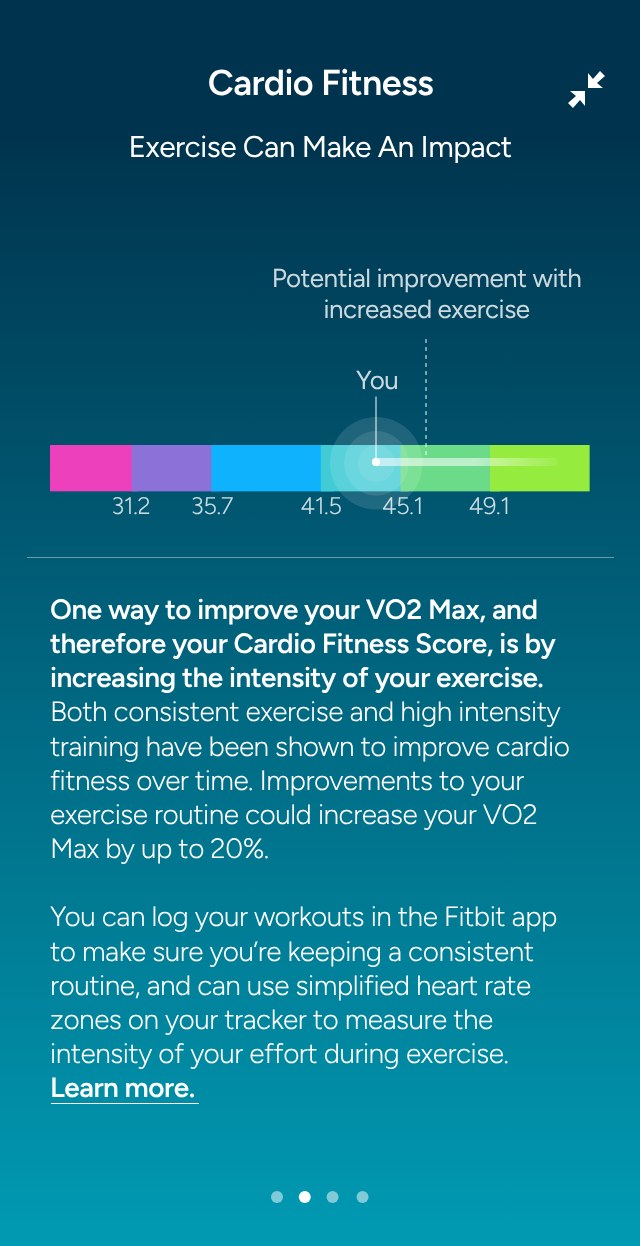
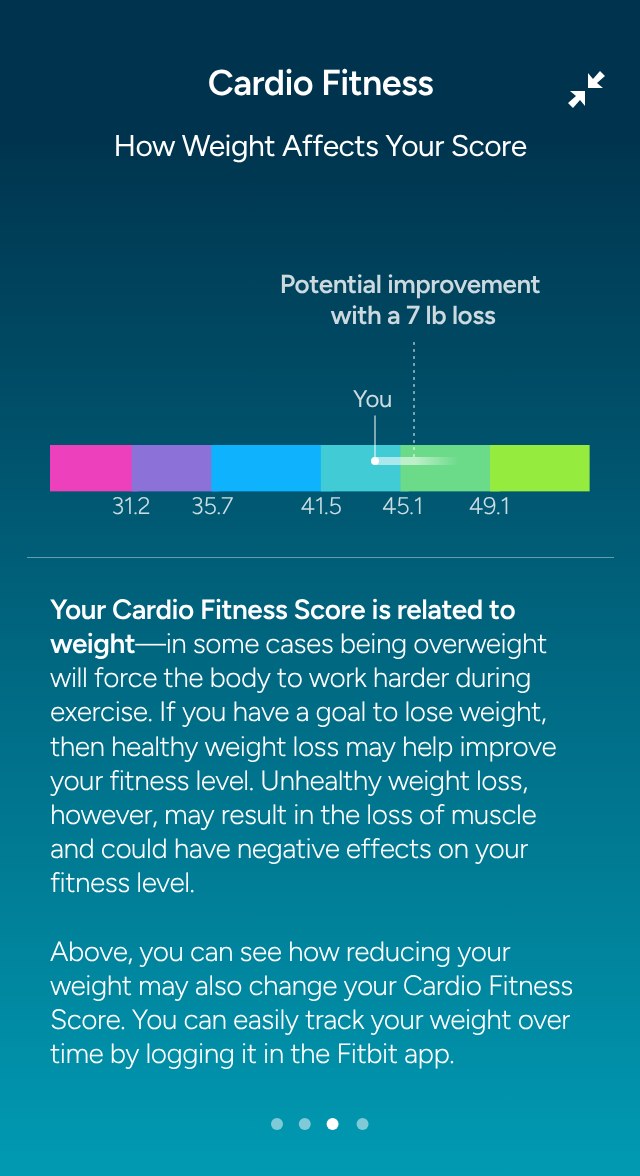
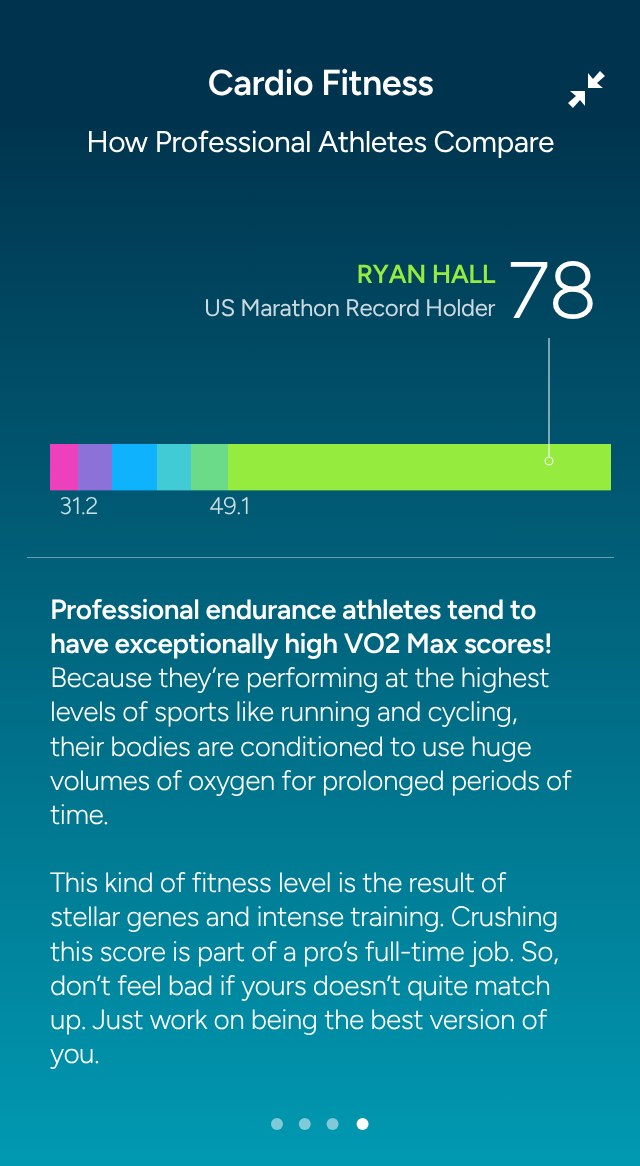
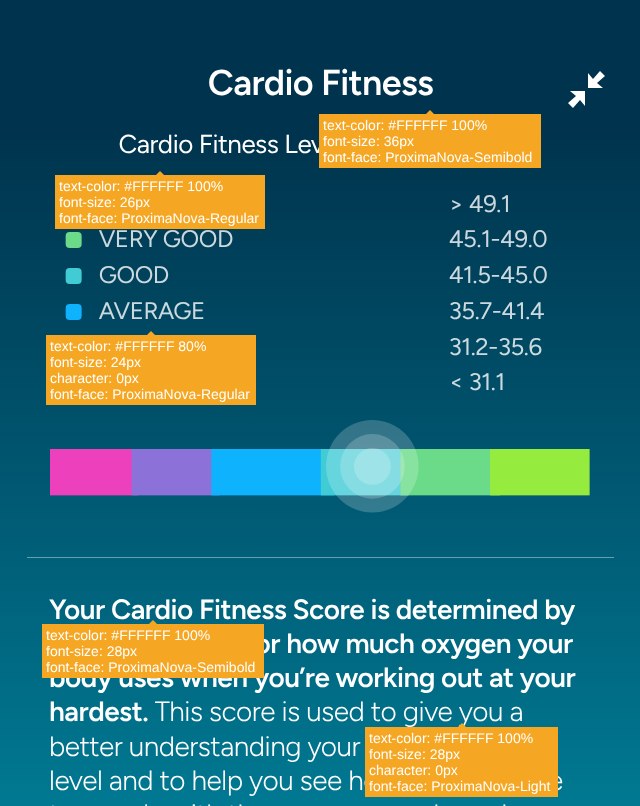
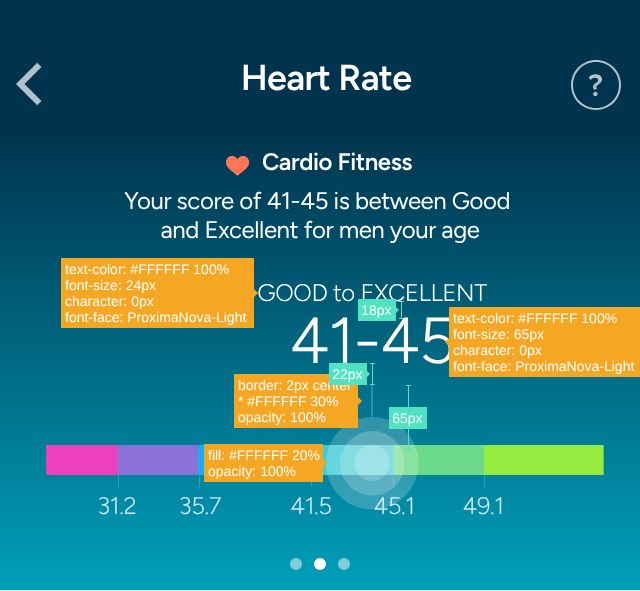
In 2017, a couple of years before Google bought the company, the Fitbit app was where millions of people checked in on their day: steps, sleep, workouts, water, weight. Working with Freedmans, I designed UX for the next version of the iOS app. That meant a rebuilt Today dashboard of glanceable tiles that change state as you close in on a goal, and an exercise section that recognises workouts automatically and tracks a weekly target. It also meant sleep logging that works in real time or after the fact, and the arrival of the Cardio Fitness Score, a personal VO2 max estimate shown first as a range and sharpened once you log a GPS run. The aim throughout was to turn a stream of numbers into small, encouraging wins that people actually want to come back to.
Services
UX, Campaign DesignClient
FitbitAgency
FreedmansThe App Screens
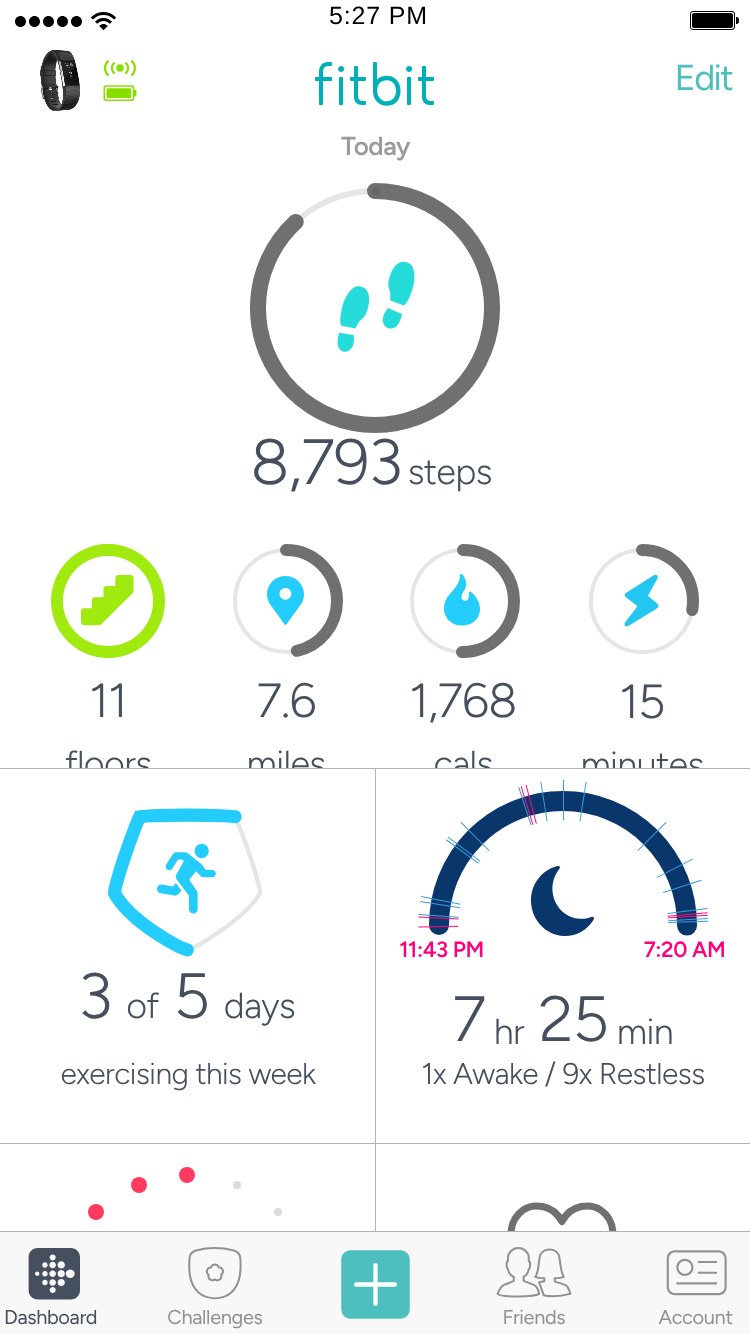
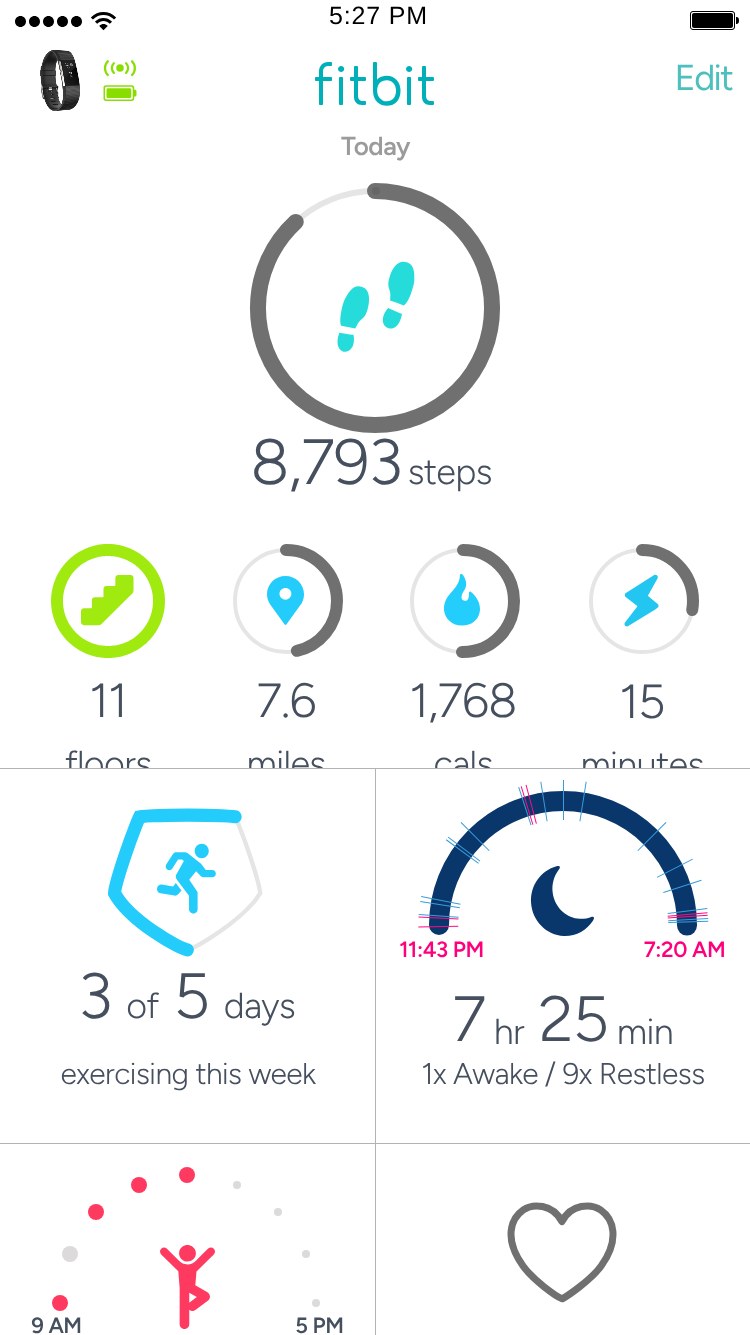
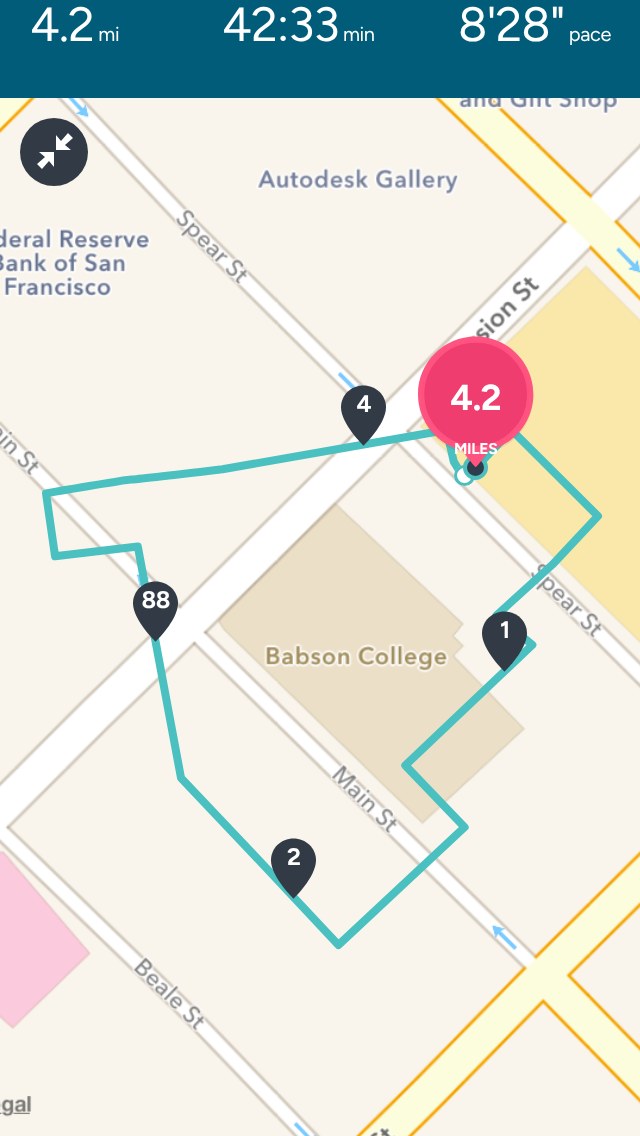
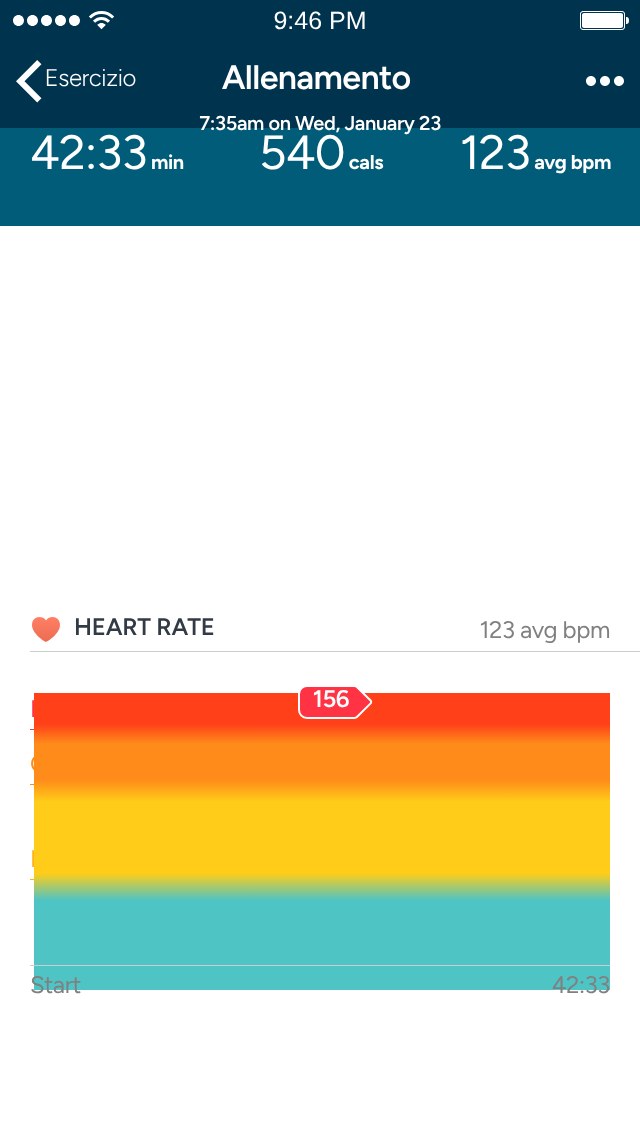
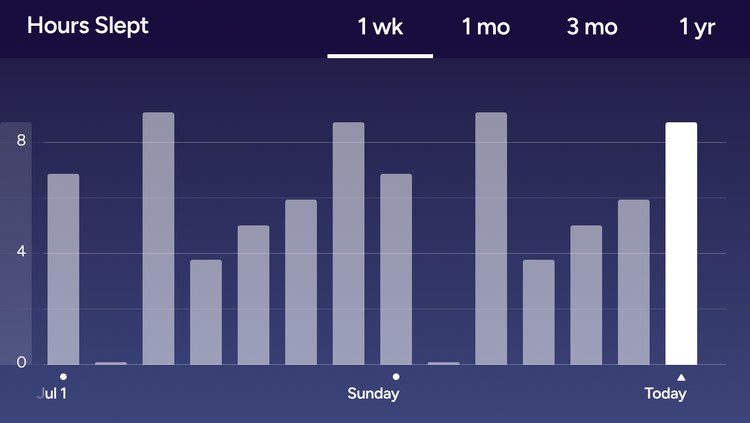
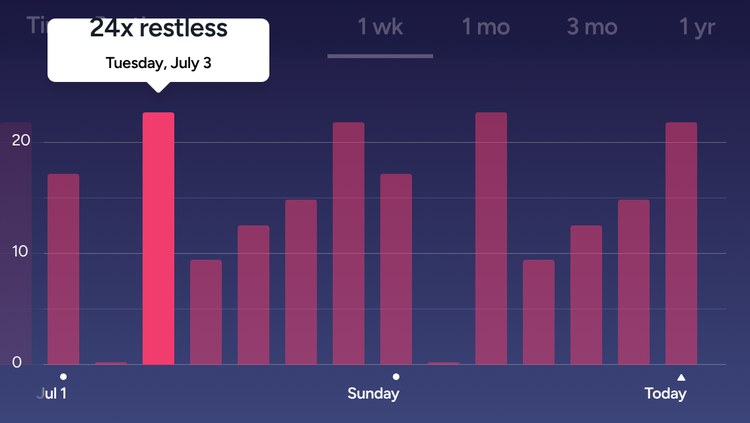
Screens from the 2016 iOS work for Fitbit: the new Today dashboard and its tiles, exercise tracking, sleep logging and the Cardio Fitness score. Hover to enlarge, click to open full size.
DASHBOARD
DASHBOARD TILES
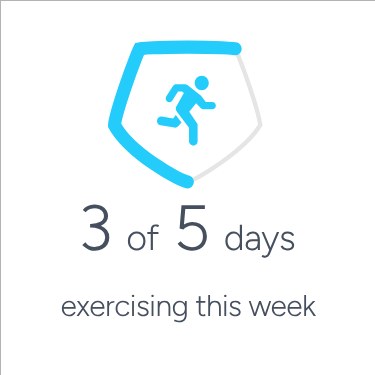
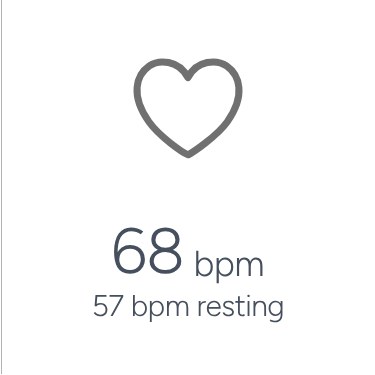
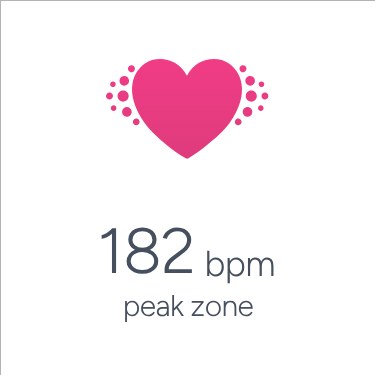
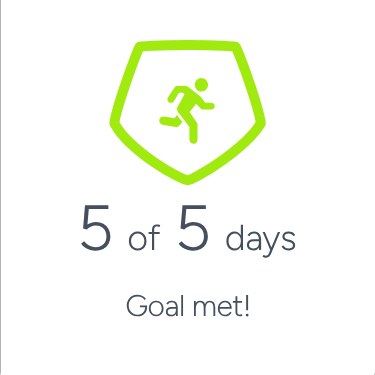
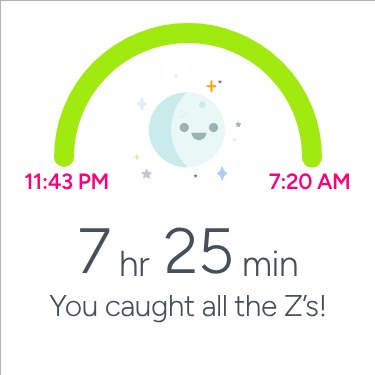
EXERCISE
SLEEP
CARDIO FITNESS
User Flows
One flow per feature, rebuilt from the design files.
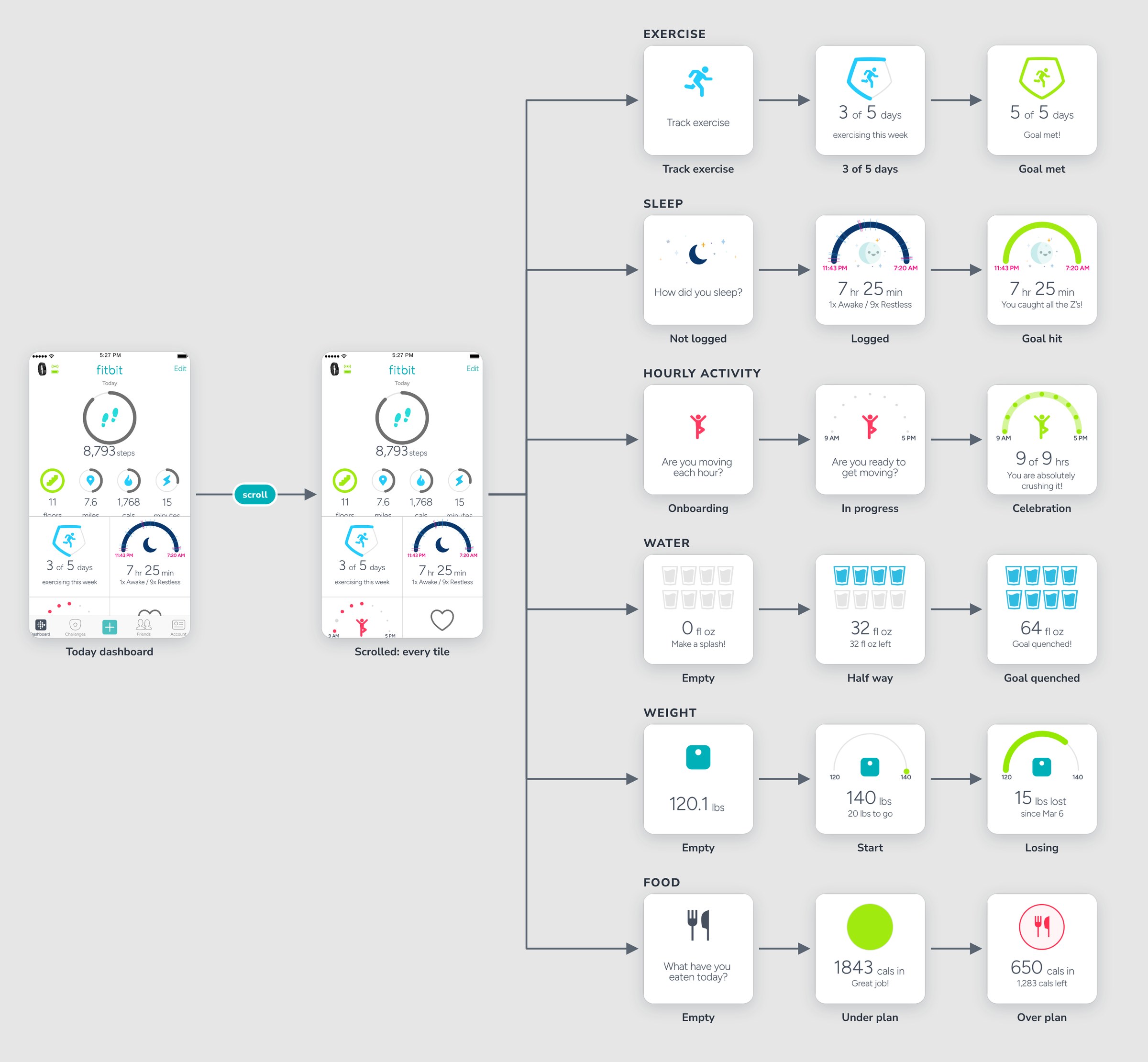
DASHBOARD
The Today dashboard and the states each tile moves through, from empty to goal met.
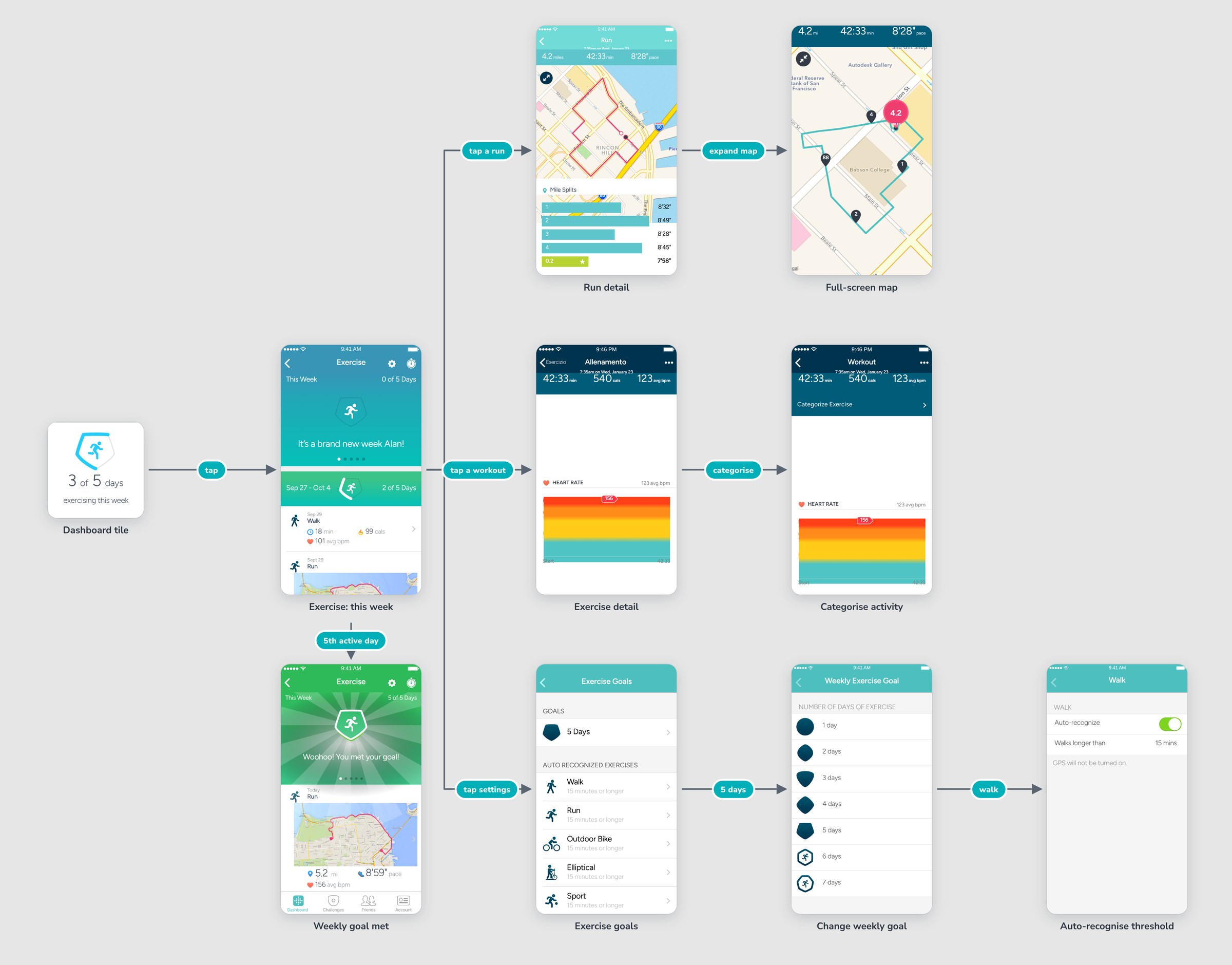
EXERCISE
From the dashboard tile into the weekly exercise view, workout and run details, and exercise goal settings.
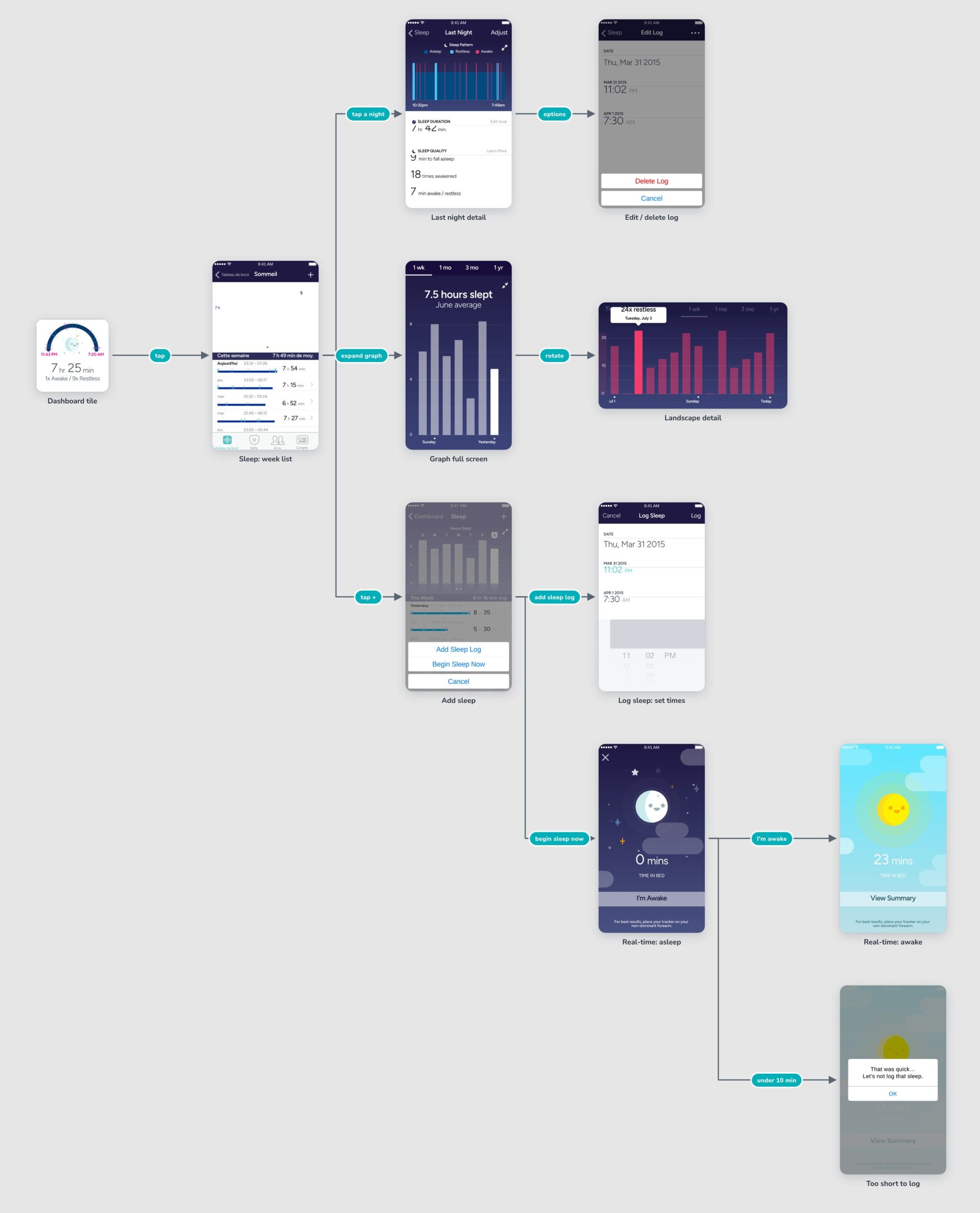
SLEEP
Browsing the sleep week, drilling into a night, and the two ways to log sleep: entering times or real-time logging.
CARDIO FITNESS
Introducing the Cardio Fitness score: a range from resting heart rate, then an exact score once a GPS run is logged.